Low-Stress, High-Joy: Supporting Autistic Students During the Holidays
Practical strategies for a more predictable, comfortable, and inclusive festive season.
Holiday celebrations can bring excitement to the classroom. They can also bring changes: louder hallways, unfamiliar decorations, special performances, classroom parties, and disrupted schedules.
For some autistic students, these changes may feel overwhelming. Others may enjoy certain activities while needing support with different parts of the day. Understanding each student’s preferences is the starting point for planning celebrations they can enjoy. The National Autistic Society recommends preparing ahead, considering sensory needs, and offering flexible ways to participate. autism.org.uk
For educators, supporting autistic students during the holidays means making room for predictability, communication, and choice. The following classroom strategies offer practical ways to put those priorities into action.
1. Preview Holiday Schedule Changes With Visual Supports
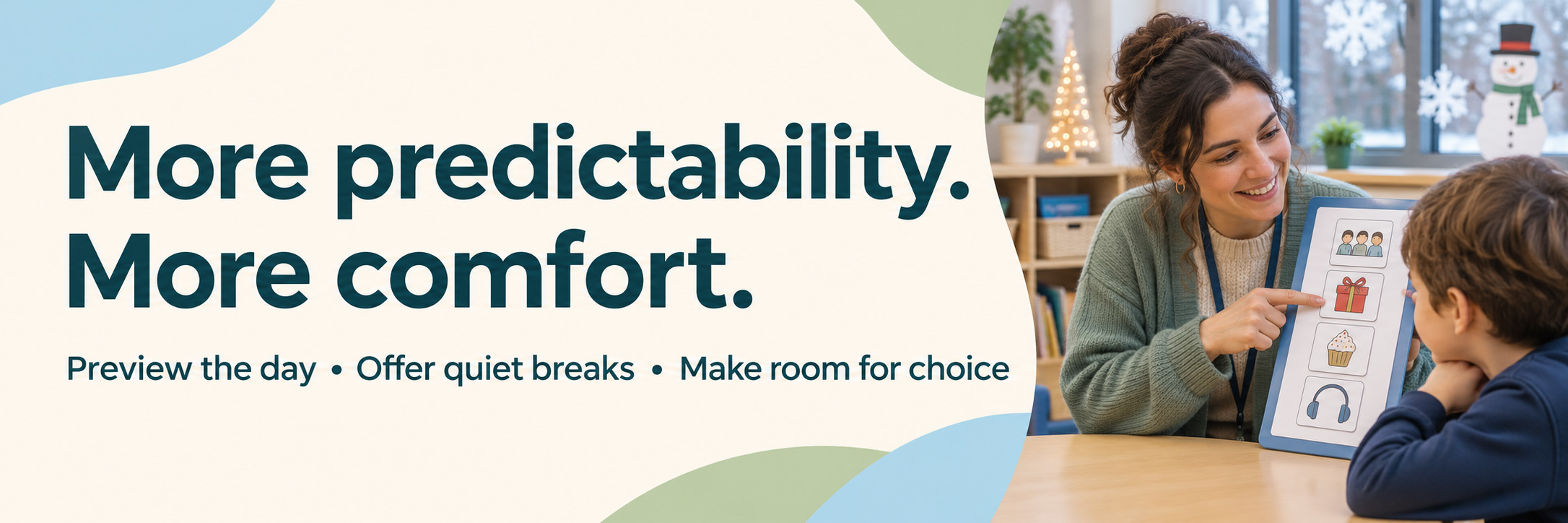
An assembly, classroom visitor, or early dismissal can change a familiar school day. Help students understand what will stay the same, what will be different, and what happens afterward.
Visual supports—including photographs, picture symbols, calendars, and schedules—can make information easier to understand and support communication and independence. The University of Florida’s Center for Autism and Related Disabilities also identifies schedules as tools that may help reduce anxiety. card.ufl.edu
Try these classroom strategies:
- Update the daily schedule. Show where the holiday activity fits among familiar lessons, meals, and breaks.
- Preview unfamiliar settings. Use a photograph of the auditorium, activity room, or visiting performer when available.
- Break events into smaller steps. A short sequence might show: walk to the cafeteria, choose a seat, watch the performance, and return to class.
- Give transition warnings. Use a familiar visual countdown or timer that matches the student’s preferences. Avoid adding an unexpected alarm.
- Explain changes honestly. If an activity is canceled or moved, update the schedule and explain the new plan.
Classroom example: Before a winter concert, review where the student can sit, which adult will be nearby, how to request a break, and what the class will do afterward.
2. Plan for Sensory Comfort Before Celebrations Begin
Holiday activities may introduce bright lights, amplified music, crowded spaces, unfamiliar textures, and strong food smells. Sensory preferences vary, so ask students and families what helps rather than assuming one adjustment will work for everyone.
Consider these options when planning your classroom celebration:
- Review lighting and decorations. Avoid flashing lights and keep some areas free of added visual clutter.
- Offer sound support. Make familiar ear defenders or other preferred supports available.
- Choose seating thoughtfully. Offer a place away from speakers, heavy foot traffic, or crowded activity stations.
- Keep comfortable materials available. Allow familiar clothing and alternatives to scratchy costumes or messy crafts.
- Make food activities optional. Offer an alternative to tasting unfamiliar foods and follow each student’s established dietary and safety needs.
These suggestions reflect guidance to adjust sensory environments, preserve familiar options, and allow time away from busy celebrations. autism.org.uk
Create an Accessible Quiet Area
Identify a calm, supervised space before the event begins. Show students where it is and how they can access it. Use familiar supports selected with the student and their team.
Make the quiet area available as part of the participation plan. Students should be able to request a break before they become overwhelmed.
3. Make Social Expectations Clear and Participation Flexible
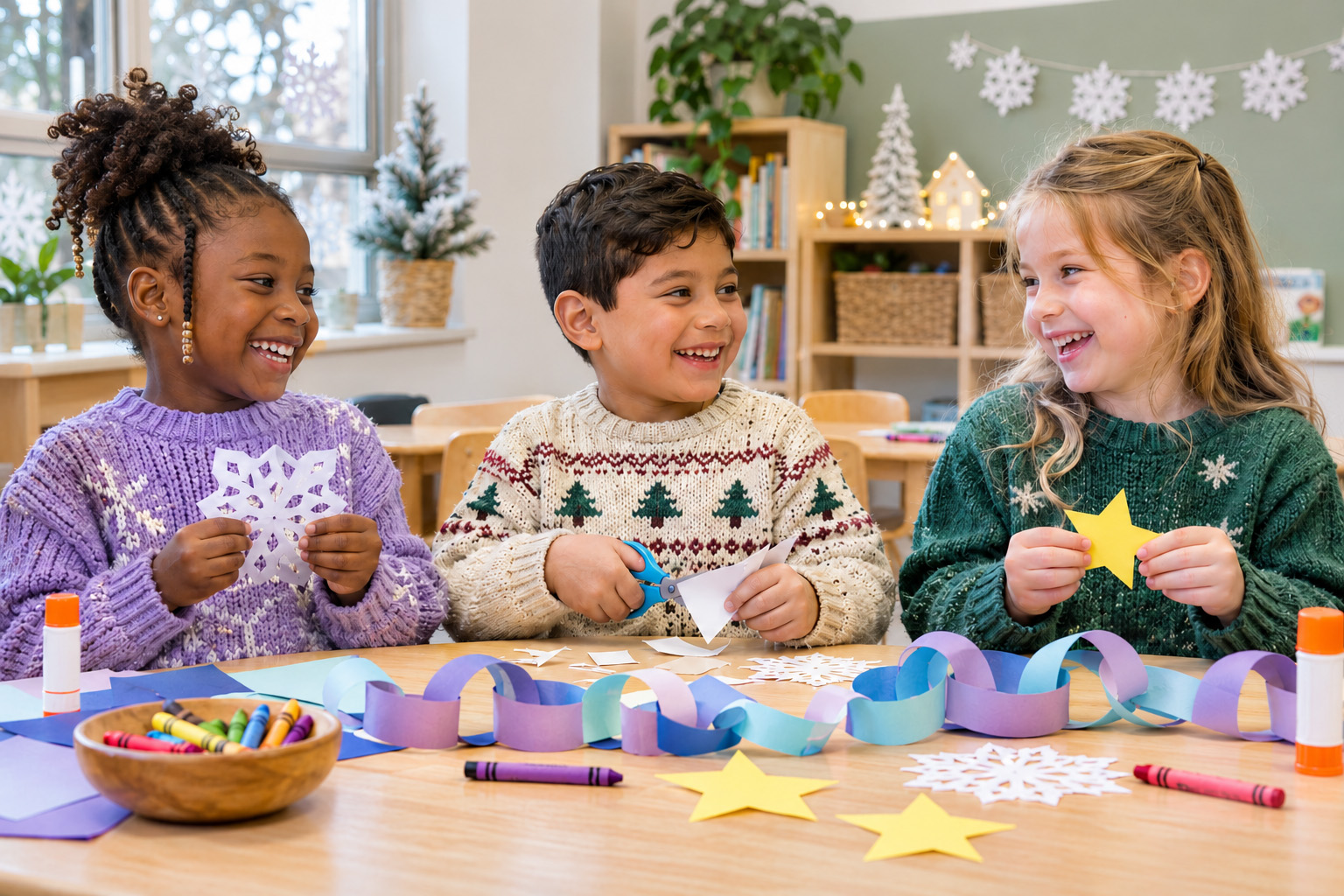
A classroom party can involve unfamiliar expectations: exchanging gifts, waiting for games, greeting visitors, or joining a performance. Explain the planned activities in concrete language and offer choices wherever possible.
For your next celebration:
- Describe what will happen. Explain who will attend, where activities will take place, and approximately how long they will last.
- Offer different roles. Students might decorate, choose music, distribute supplies, watch, or join one preferred activity.
- Provide a clear break request. Use the student’s established communication method, such as speech, AAC, a gesture, or a break card.
- Respect personal boundaries. Offer alternatives to hugs, handshakes, costumes, and group photographs.
- Allow students to decline. Plan a meaningful alternative for students who do not want to join an activity.
Flexible participation and alternatives to demanding social expectations are consistent with the National Autistic Society’s holiday guidance. autism.org.uk
A student who watches a performance from a comfortable spot or joins only the art activity can still share in the celebration. Build those options into the plan from the beginning.
4. Coordinate Holiday Supports With Families
A brief conversation with families can help educators plan around the student’s current needs, familiar supports, and cultural or religious traditions.
Before seasonal events, consider asking:
- Which activities does your child enjoy?
- Are there sounds, foods, decorations, or clothing items we should plan around?
- How does your child communicate that they need help or a break?
- What information would help you preview the event at home?
- Are there celebrations your family observes or prefers not to participate in?
Share important school changes early, including performances, visitors, altered dismissal times, and special clothing requests. Keep messages specific so families know what to expect.
Include the student in planning through their preferred communication method. Their choices should help shape the support offered.
5. Prepare for the Return to School After Winter Break
Holiday planning should include the first days back. Before the break begins, prepare a simple return-to-school preview with the date, familiar staff, and the usual arrival routine.
Consider these steps:
- Send home a brief visual preview. Use a format the student already understands.
- Review the schedule on arrival. Highlight familiar activities and explain any changes.
- Allow time to reconnect. Begin with opportunities to communicate, settle in, and revisit classroom routines.
- Keep established supports available. Continue access to communication tools, breaks, and individualized accommodations.
- Check in with families. Ask whether anything has changed that could affect the student’s school day.
Adjust the pace to the student’s needs and coordinate with their educational team when additional support is needed.
A Holiday Classroom Planning Checklist
Before a party, assembly, or seasonal activity, check that your plan answers these questions:
- Does the student know what will happen before, during, and after the event?
- Have we considered their sensory preferences?
- Can they communicate a choice, request help, or take a break?
- Is a calm, supervised space available?
- Are there comfortable alternatives for participation?
- Have we shared relevant details with families and staff?
- Have we prepared for the return to routine?
Make Room for Each Student’s Version of Joy
A successful holiday celebration can look different for every student. One may enjoy singing with classmates. Another may prefer creating decorations, watching from a quieter seat, or participating briefly before taking a break.
Thoughtful preparation gives educators more ways to welcome those differences. Start with the student’s preferences, make plans understandable, and stay flexible as needs change.
Looking for more practical classroom ideas? Explore the Applied ABC blog for resources on supporting autistic students, accessible learning, and inclusive school communities.