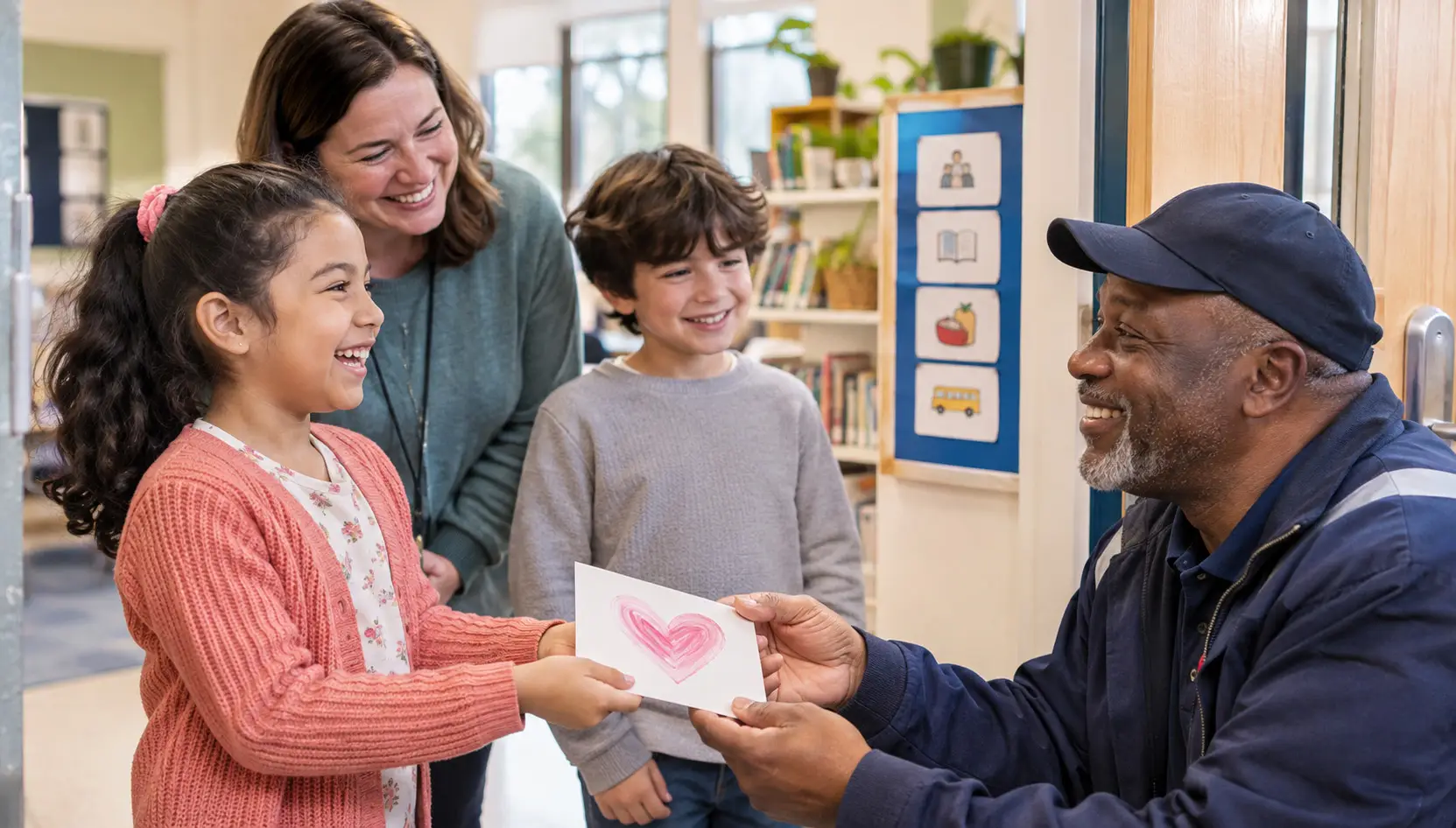
November offers a welcome opportunity to thank the people who help students feel supported throughout the school day. Community helpers in the autism classroom include teachers, therapists, classroom aides, bus drivers, cafeteria staff, and many others whose work makes everyday participation possible.
At Applied ABC, we are grateful for the care these helpers bring to their work. A calm greeting at arrival, time to communicate, or a thoughtful adjustment to an activity can make a school day more welcoming. This season of gratitude is a chance to recognize those contributions and invite students to express appreciation in ways that work for them.
Who Are Community Helpers in the Autism Classroom?
Community helpers are people whose work supports the well-being of others. In a school community, their roles extend beyond the classroom door.
- Teachers and classroom aides adapt lessons, guide daily routines, and help students take part in learning.
- Board Certified Behavior Analysts (BCBAs) and Registered Behavior Technicians (RBTs) contribute to individualized behavioral support within their roles and supervision requirements.
- Speech-language pathologists and occupational therapists bring expertise in communication, access, and participation.
- Bus drivers, cafeteria staff, custodians, school nurses, and office teams help make the school day safe, welcoming, and organized.
Families and caregivers are essential partners, sharing knowledge about each child’s preferences, strengths, and experiences outside school.
Why Everyday Support Matters
Autistic students have different strengths, interests, communication styles, and support needs. Some benefit from predictable routines, visual information, or additional time during transitions. Helpful support starts with understanding the individual student.
Collaboration connects that understanding across the school day. A teacher might share a visual schedule with an aide, while transportation staff learn how a student prefers to be greeted. Small, coordinated actions can make it easier for students to understand what comes next and participate comfortably.
Three Inclusive Ways to Thank Community Helpers
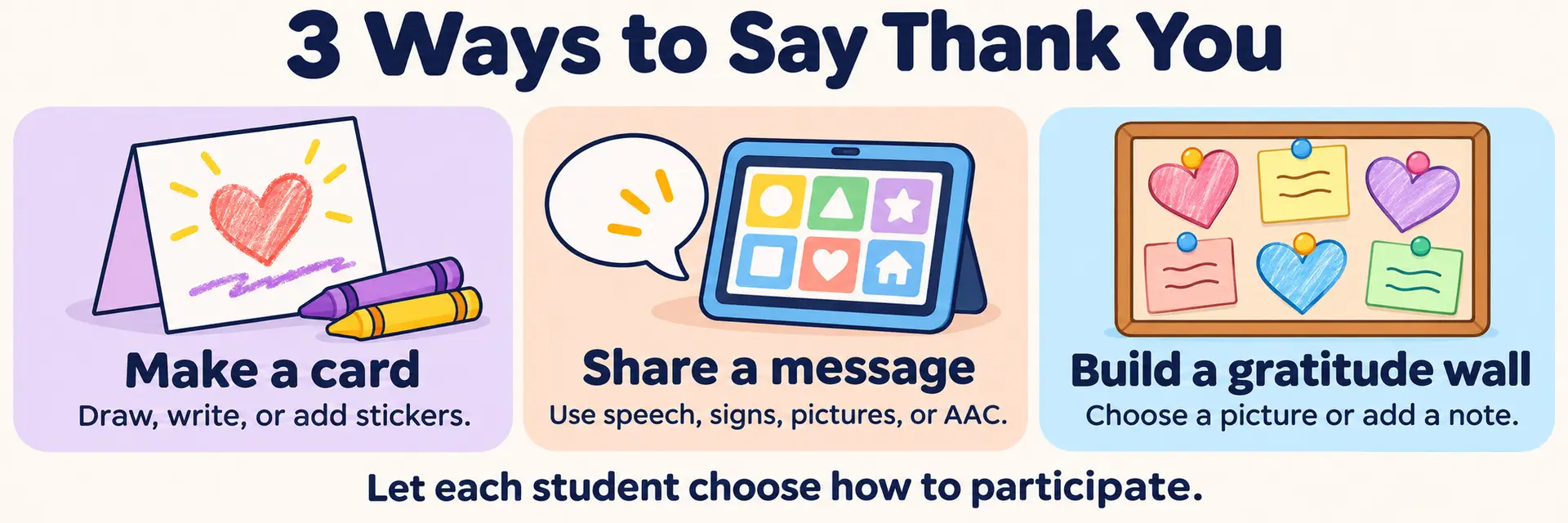
Gratitude activities can begin with a simple choice: “Who would you like to thank?” Offer different materials and ways to communicate. Students can use speech, signs, pictures, or augmentative and alternative communication (AAC), including a communication board or device.
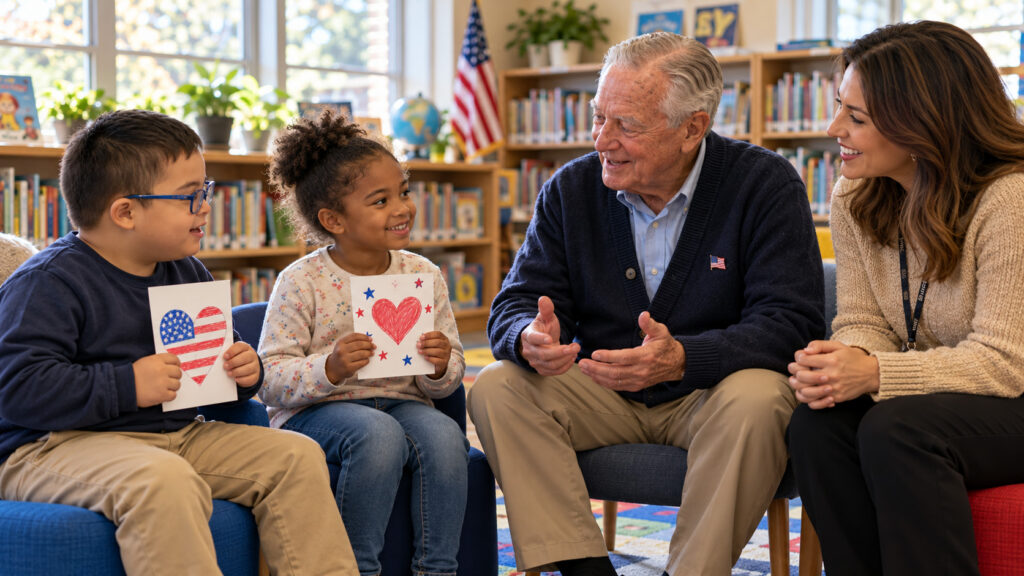
1. Make a Card
Invite students to draw, write, choose a picture, or add stickers. Offer a short message such as “Thank you for helping me” and let the student decide what to include.
Precut shapes and easy-grip tools can make the activity more accessible. A student can deliver the card or ask someone to deliver it.
2. Share a Message
Model a specific thank-you, such as “Thank you for helping me find my classroom.” Leave time for the student to respond in their preferred way.
A wave, a picture selection, or a message on a communication device can be part of the activity. Let students choose whether to share privately or with a group.
3. Build a Gratitude Wall
Create a classroom display celebrating the people who help at school. Students can select a helper’s picture, add a drawing, or contribute a short note.
Include staff whose work is easy to overlook, such as custodians and cafeteria teams. Keep participation optional and offer a quieter way to contribute.
Let each student choose how to participate. A thank-you activity should respect their comfort and preferences, including whether they want to speak, make eye contact, or join a group activity.
A Sincere Thank You to Our School Community
To the teacher who adapts a lesson, the therapist who notices a new skill, and the aide who gives a student time to communicate: thank you. We also appreciate the drivers who greet students each morning and the school staff who keep shared spaces ready for learning.
Recognizing these contributions can be simple. Name the action you appreciated, share a brief note, or include support staff in classroom celebrations. Everyday appreciation helps people see that their work is noticed.
How Applied ABC Supports School Teams
Applied ABC partners with school districts to provide behavioral and special education support tailored to their needs. Services include classroom and paraprofessional support, special education teaching, behavioral consultation, and staff coaching. Our teams work alongside district staff and families to support student participation and school goals. appliedabc.com
This November, we thank the community helpers who make room for each student’s strengths and individuality. We appreciate the care you bring to ordinary moments throughout the year.
Explore Applied ABC’s school services to learn more about support for your school community.