Making Fall Fun and Meaningful in Special Education
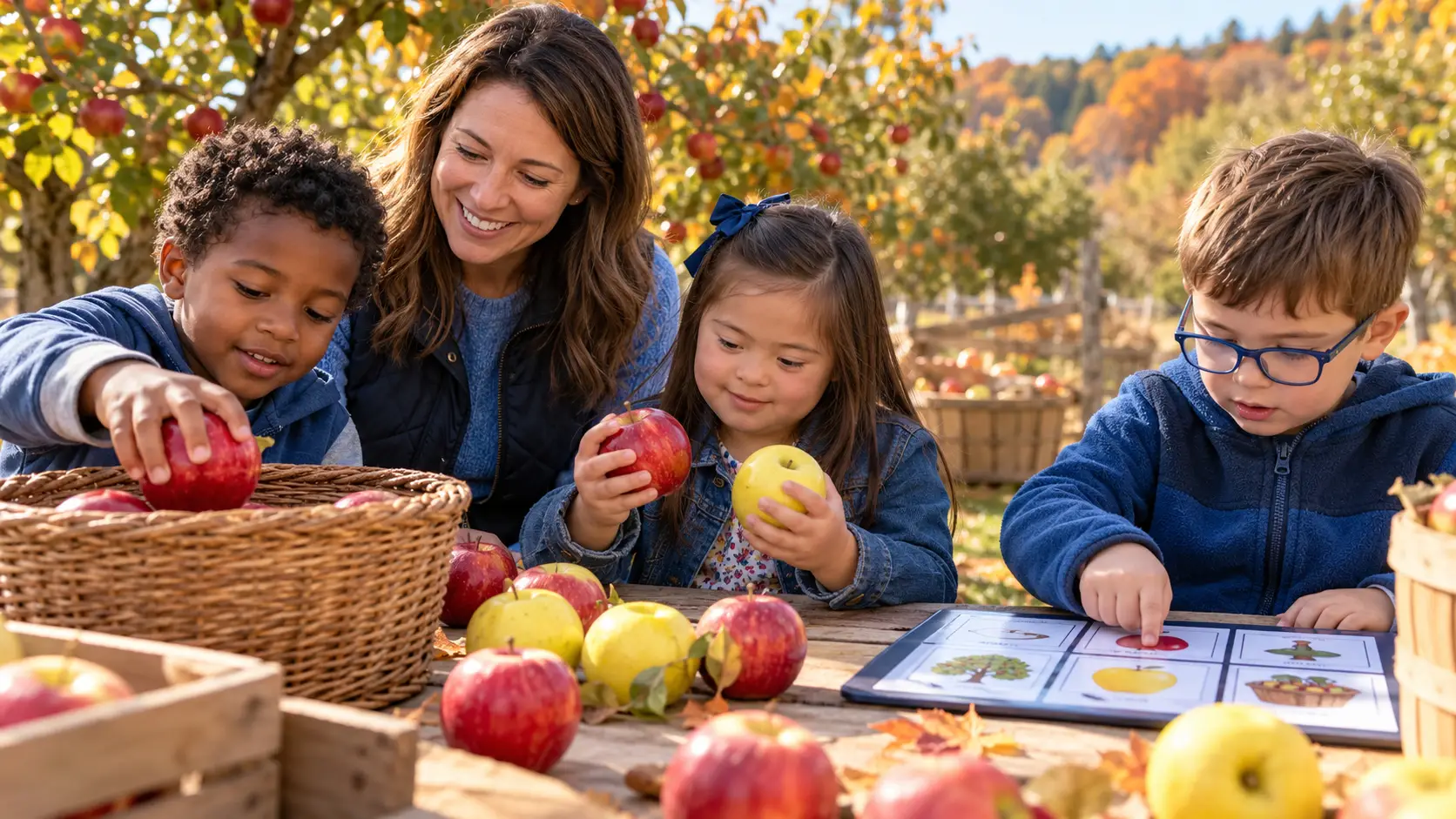
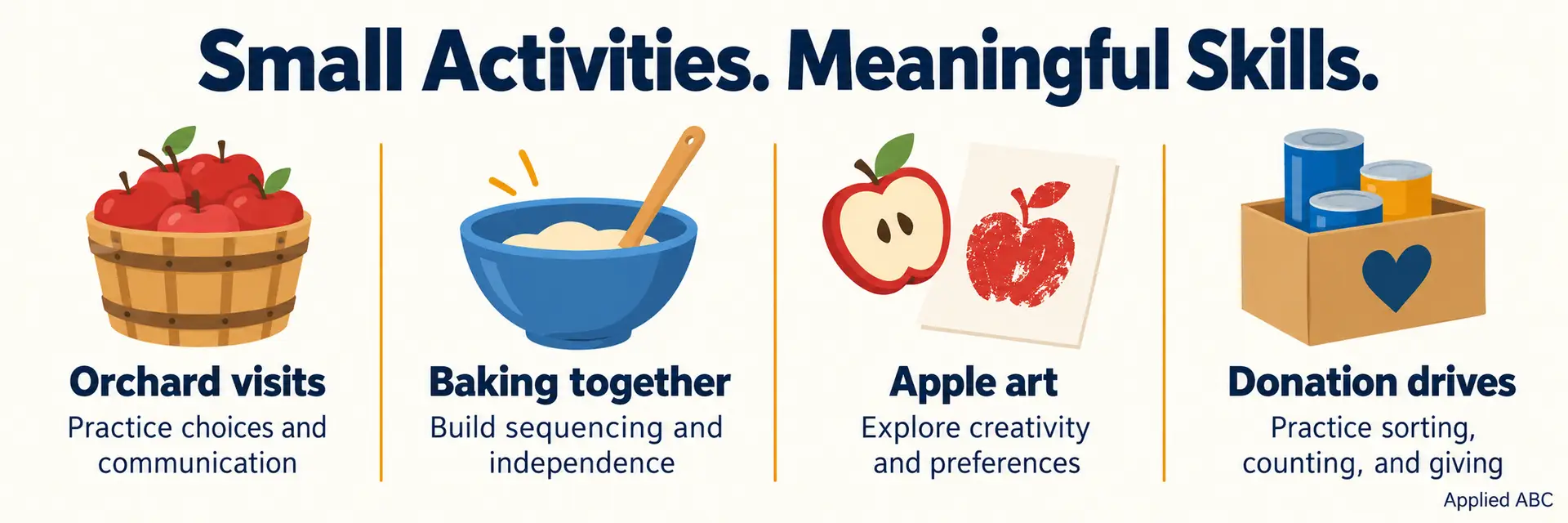
Fall brings exciting opportunities to bring real-world learning into the classroom through field trips, baking, art projects, and community service. Activities like planning a trip to an apple orchard, making baked treats, or joining a harvest donation drive help students build essential life skills, practice functional communication, and engage with their local community.
However, changes in routine, unfamiliar environments, and intense sensory experiences can be overwhelming for many autistic students or those who require extra support.
By incorporating visual supports, task analysis, and flexible participation options, you can transform classic autumn traditions into accessible, meaningful learning opportunities for all learners. Here are four easy, adaptable fall activities tailored for special education classrooms.
1. Community-Based Instruction (CBI): Apple Orchard Trips
Whether you are embarking on a Community-Based Instruction (CBI) field trip to a local apple orchard or bringing the orchard experience into your classroom, proactive preparation helps students build confidence and independence.
Preparing for the Trip
-
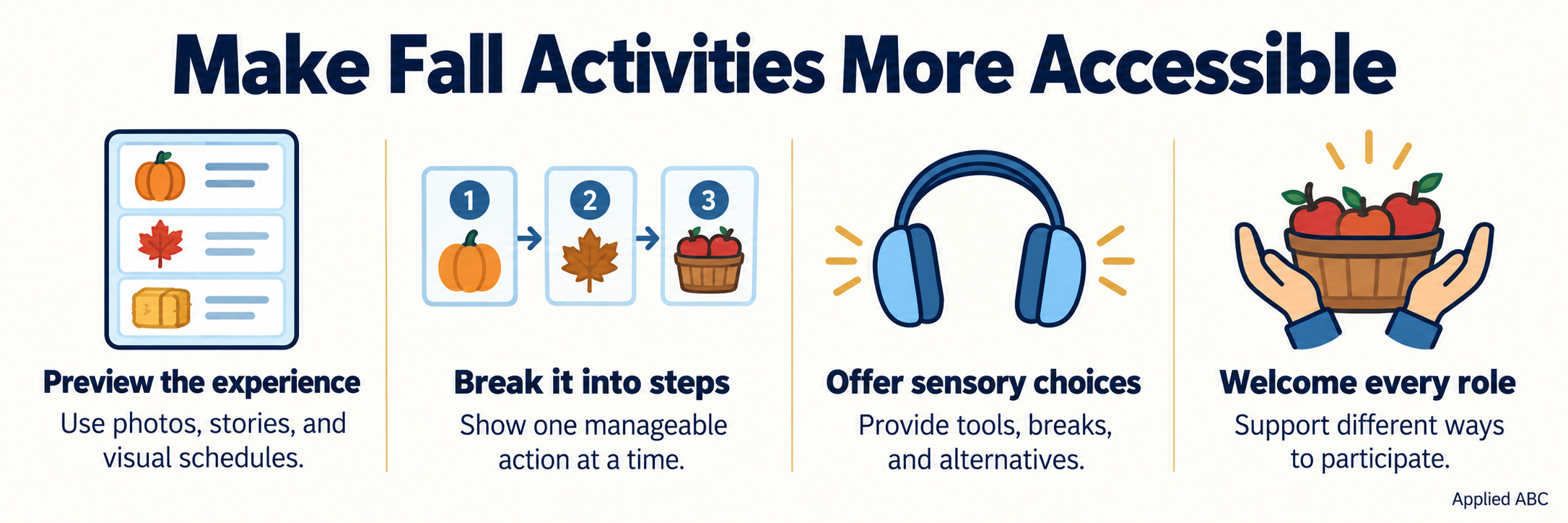
Use Social Stories & Video Modeling: Preview sensory inputs before heading out. Discuss the sounds of tractors, the smell of fresh apples, and crowded spaces. Review safety rules using clear, simple language (e.g., “Pick apples on lower branches” or “Stay on the ground, off ladders”).
-
Provide Differentiated Visual Schedules: Adapt schedules to meet individual student needs:
-
Object Schedules: For concrete learners (e.g., Pick $rightarrow$ Basket $rightarrow$ Next).
-
Visual Icons & Checklists: Photos, Picture Exchange Communication System (PECS) symbols, or written task lists.
-
Classroom-Based Orchard Simulation
If an off-site field trip isn’t feasible, bring the orchard to your classroom! Set up artificial trees, hang paper apples, or use sensory bin materials. Students can practice:
-
Requesting specific colors or sizes using their AAC devices or verbal communication.
-
Counting, sorting, and categorizing apples.
-
Following multi-step directions to fill baskets.
On-Site Flexibility & Sensory Accommodations
-
Visit during off-peak hours to reduce noise and crowds.
-
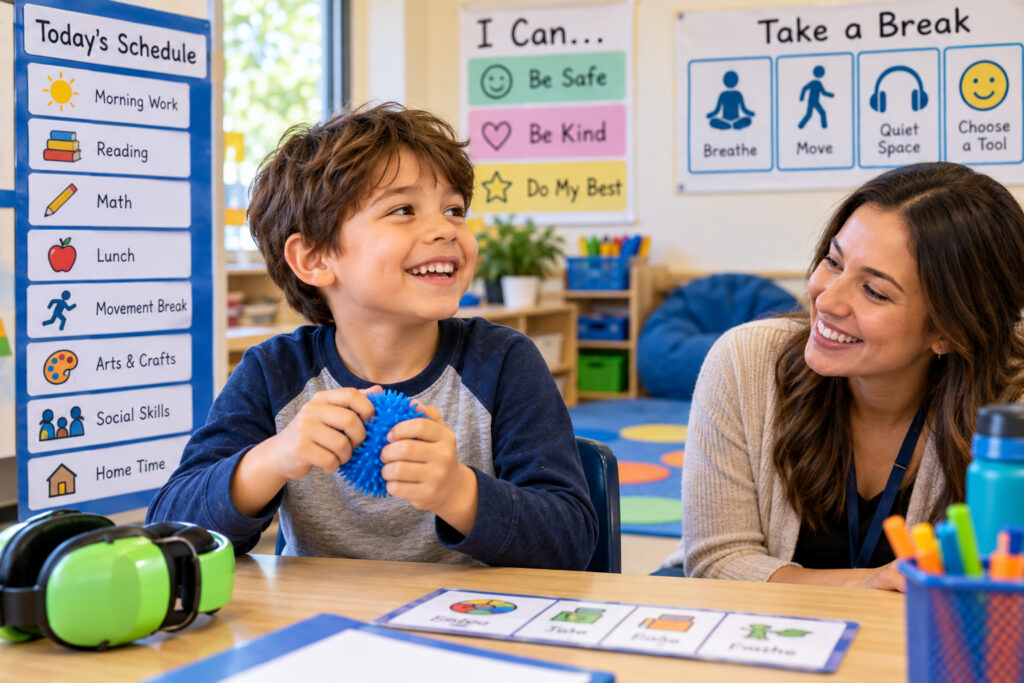
Keep noise-canceling headphones and visual break cards accessible.
-
Designate a quiet area where students can reset.
-
Support all forms of engagement—whether a student prefers to observe from a distance, participate using AAC, or join for a short segment of the event.
2. Apple Pie Task Analysis: Cooking and Baking Life Skills
Baking is an effective way to target executive functioning, fine motor control, functional academics, and daily living skills.
Applying Task Analysis to Baking
To support independence, break recipes down into visual, step-by-step actions:
Standard Recipe Steps:
-
Wash & Prepare: Wash hands, put on aprons, and gather tools.
-
Measure & Mix: Measure ingredients and combine them in a bowl.
-
Assemble: Transfer filling into the pie crust.
-
Bake & Wait: Place the pie in the oven (with adult support) and set a timer.
Micro-Steps for Students Needing High Structure:
Instead of a broad instruction like “Mix ingredients,” break the action down:
-
[ ] Place the bowl securely on the mat.
-
[ ] Hold the bowl handle with your non-dominant hand.
-
[ ] Pick up the spoon.
-
[ ] Stir 5 times.
-
[ ] Check your visual schedule for the next step.
Supporting Sensory Sensitivities in the Kitchen
Food preparation exposes students to new smells, sticky textures, and loud kitchen noises. Offer proactive choices to accommodate sensory needs:
| Sensory Challenge | Adaptive Solution / Accommodation |
| Tactile Sensitivity (Sticky/Wet) | Food-safe gloves, long-handled utensils, adaptive grips. |
| Aversion to Direct Contact | Mechanical apple peelers (with adult supervision) or observational roles. |
| Olfactory / Texture Overload | Alternative tasks like cinnamon-scented or unscented playdough sequencing. |
Structuring Waiting Time
Waiting for food to bake can cause anxiety if unstructured. Make waiting predictable by implementing:
-
Visual Timers: Color-coded or countdown timers to show remaining time.
-
First-Then Boards: Clarify expectations (e.g., First Bake $rightarrow$ Then Choice Time).
-
“While We Wait” Stations: Offer designated quiet activities like apple-themed puzzles, books, or coloring sheets.
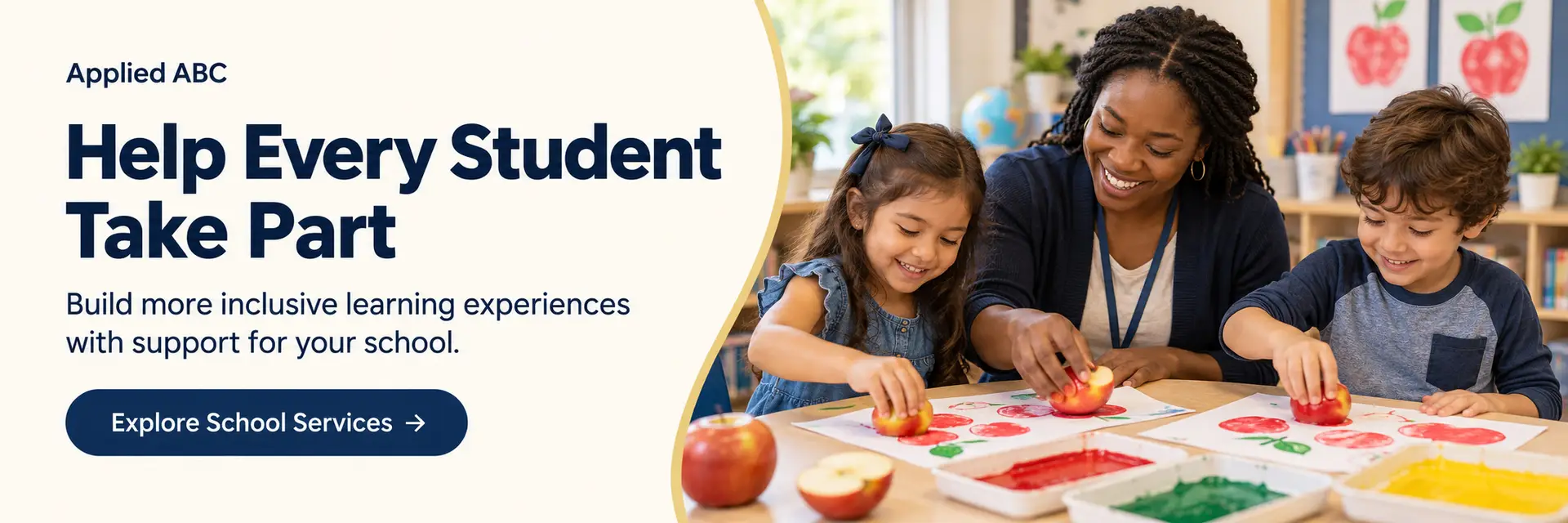
3. Apple Stamping Art: Fine Motor & Sensory Exploration
Art activities offer structured opportunities for creative expression, fine motor development, and sequencing practice.
Step-by-Step Apple Printing Sequence
Provide visual step cards at the art station:
-
Choose a paint color.
-
Dip the cut apple into the paint tray.
-
Press the apple firmly onto paper.
-
Lift to reveal the print.
-
Repeat or select a new color.
Modifications for Accessibility
-
Adaptive Tools: Use easy-grip handles attached to apples, paintbrushes, or foam stamps for students who prefer not to touch paint or raw fruit.
-
Stability Supports: Secure paper with painter’s tape or non-slip mats.
-
Communication Focus: Encourage students to request colors, choose patterns, or comment on their artwork using speech, gestures, or AAC.
4. Harvest Food Drives: Purposeful Community Service
Participating in a school donation drive connects classroom learning to real-world community impact while building vocational and academic skills.
Creating Structured Sorting Stations
Organize a designated hands-on workspace with clearly labeled, color-coded bins for categorized items (e.g., Canned Goods, Boxed Meals, Hygiene Products). Use both text and visual icons on all labels.
Embedding Functional Academic Skills
-
Math & Data: Count collected items, record totals on tally sheets, compare quantities (most vs. least), and plot data on simple bar graphs.
-
Vocational & IEP Goals: Practice inventory checking, shelf stocking, item matching, and following visual checklists.
-
Communication Practice: Target functional phrases for asking for help, requesting items, or indicating when a task is completed.
Predictable Community Delivery
When delivering donations to a local pantry:
-
Prepare Ahead: Use visual schedules to outline the trip and review expectations beforehand.
-
Assign Specific Roles: Match roles to student strengths (e.g., pushing carts, organizing bags, checking items off a master list, or handing over donations).
-
Classroom-Based Roles: Students who do not participate in off-site travel can participate by creating thank-you notes, printing shelf labels, or boxing items in the classroom.
Final Thoughts: Supporting Every Learner This Season
Seasonal activities are more than fun classroom events—they are valuable opportunities for special education students to build life skills, practice self-advocacy, explore new sensory experiences, and connect with their peers and community.
By implementing visual supports, task analysis, sensory accommodations, and differentiated roles, you can ensure every student actively participates in a way that is accessible and meaningful to them.
Frequently Asked Questions (FAQ)
Q: How do I handle sensory overload during fall field trips?
A: Prepare students in advance using video modeling and social stories. Bring noise-canceling headphones, designate quiet break spaces ahead of time, and maintain a flexible schedule that allows students to opt into activities at their own comfort level.
Q: How can non-verbal students participate in cooking activities?
A: Integrate AAC devices, core vocabulary boards, or PECS symbols. Students can use communication tools to make choices (e.g., choosing ingredients or colors), answer simple questions, or signal when they need a break.
What fall activities do your students enjoy most? Share your favorite classroom adaptations and visual supports in the comments below!