
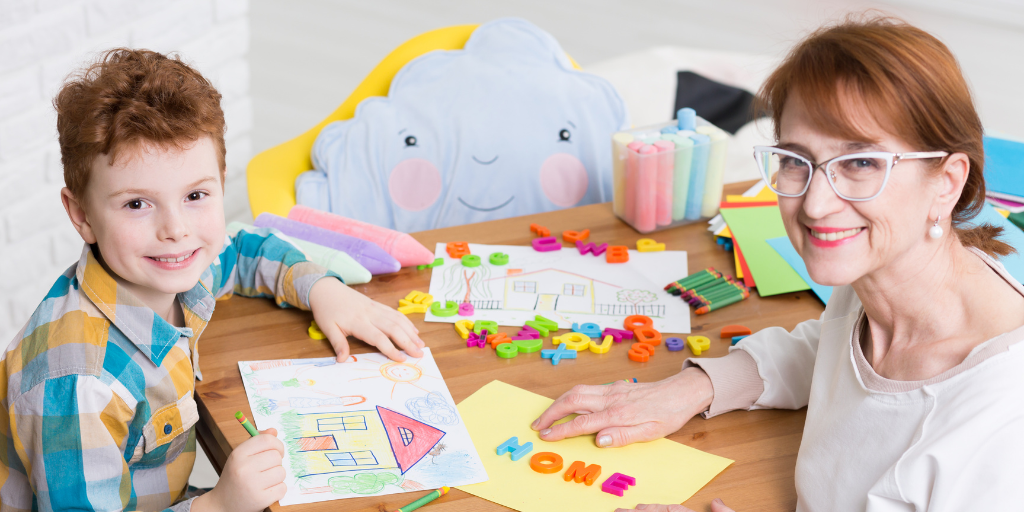
Parents often notice certain behaviors at home that raise questions or concerns. These moments can feel confusing or overwhelming, especially when routines break down or emotions run high. Understanding Autism Behaviors at Home is an important step toward creating a calmer, more supportive environment where your child can feel safe and successful.
This guide explains common behaviors, why they happen, and what parents can do at home using clear, practical language.
What Are Autism Behaviors at Home?
Autism behaviors at home refer to patterns of actions, reactions, or habits commonly seen in children with autism within their home environment. These behaviors are not intentional misbehavior. They are often a child’s way of communicating needs, managing sensory input, or coping with change.
Home is where children feel most comfortable expressing themselves, which is why certain behaviors may appear more intense there than at school or in public.
Common Autism Behaviors Parents See at Home
Every child is different, but many families notice similar patterns.
Emotional and Behavioral Responses
-
Tantrums or meltdowns that seem sudden or intense
-
Difficulty calming down once upset
-
Crying or frustration when routines change
Communication Differences
-
Limited verbal communication or delayed speech
-
Repeating words or phrases
-
Difficulty expressing needs or emotions
Sensory-Related Behaviors
-
Sensitivity to noise, lights, textures, or smells
-
Seeking movement like spinning, jumping, or pacing
-
Avoiding certain clothing, foods, or household sounds
Repetitive or Routine-Based Behaviors
-
Lining up toys or objects
-
Repeating the same activities daily
-
Strong attachment to specific routines or rituals
These behaviors often increase at home because children are decompressing after a long day of holding it together elsewhere.
Why Do Autism Behaviors Increase at Home?
Parents frequently ask why behaviors seem worse at home than at school. There are several reasons.
-
Emotional safety: Home feels safe, so children release stress they have been holding in
-
Sensory overload: Bright lights, background noise, or crowded spaces can build up throughout the day
-
Communication fatigue: Expressing needs all day can be exhausting
-
Changes in routine: Even small disruptions can feel overwhelming
Understanding the reason behind a behavior helps parents respond with empathy rather than frustration.
How Parents Can Support Autism Behaviors at Home
Small adjustments can make a meaningful difference.
Create Predictable Routines
-
Keep daily schedules consistent
-
Use visual schedules or simple charts
-
Give advance notice before transitions
Support Communication
-
Offer choices instead of open-ended questions
-
Use visual supports or gestures
-
Encourage communication without pressure
Reduce Sensory Triggers
-
Create a quiet or calm space at home
-
Adjust lighting or reduce background noise
-
Allow sensory tools like headphones or fidget items
Respond Calmly to Meltdowns
-
Stay calm and use a steady voice
-
Reduce stimulation rather than adding instructions
-
Focus on safety and comfort first
Meltdowns are not discipline moments. They are signs that a child needs help regulating.
When Should Parents Seek Professional Support?
If autism behaviors at home are impacting daily life, family routines, or your child’s ability to learn and connect, professional support can help.
You may want to seek help if:
-
Meltdowns are frequent or escalating
-
Communication challenges limit independence
-
Daily routines feel unmanageable
-
You feel unsure how to respond consistently
Applied Behavior Analysis therapy can provide structured, individualized strategies that support both children and parents in the home setting.
How ABA Therapy Helps with Autism Behaviors at Home
ABA therapy focuses on understanding why behaviors happen and teaching meaningful skills to replace challenging behaviors.
Benefits often include:
-
Improved communication
-
Better emotional regulation
-
Increased independence with daily tasks
-
Clear strategies parents can use at home
Therapy plans are tailored to your child’s needs and your family’s routine.
You Are Not Alone
Understanding Autism Behaviors at Home empowers parents to respond with confidence and compassion. With the right tools, structure, and support, home can become a place of growth, connection, and progress.
If you are looking for professional guidance, Applied ABC offers personalized ABA therapy designed to support children and families at home, in centers, and in school settings.
Contact Applied ABC today to learn how we can help your child thrive.

Frequently Asked Questions About Autism Behaviors at Home
Are autism behaviors caused by parenting?
No. Autism behaviors are related to neurological differences, not parenting style.
Will these behaviors go away over time?
With the right support, many behaviors improve as children learn new skills and coping strategies.
Is it normal to feel overwhelmed?
Yes. Parenting a child with autism can be emotionally demanding. Support is important for both children and caregivers.